House of Water
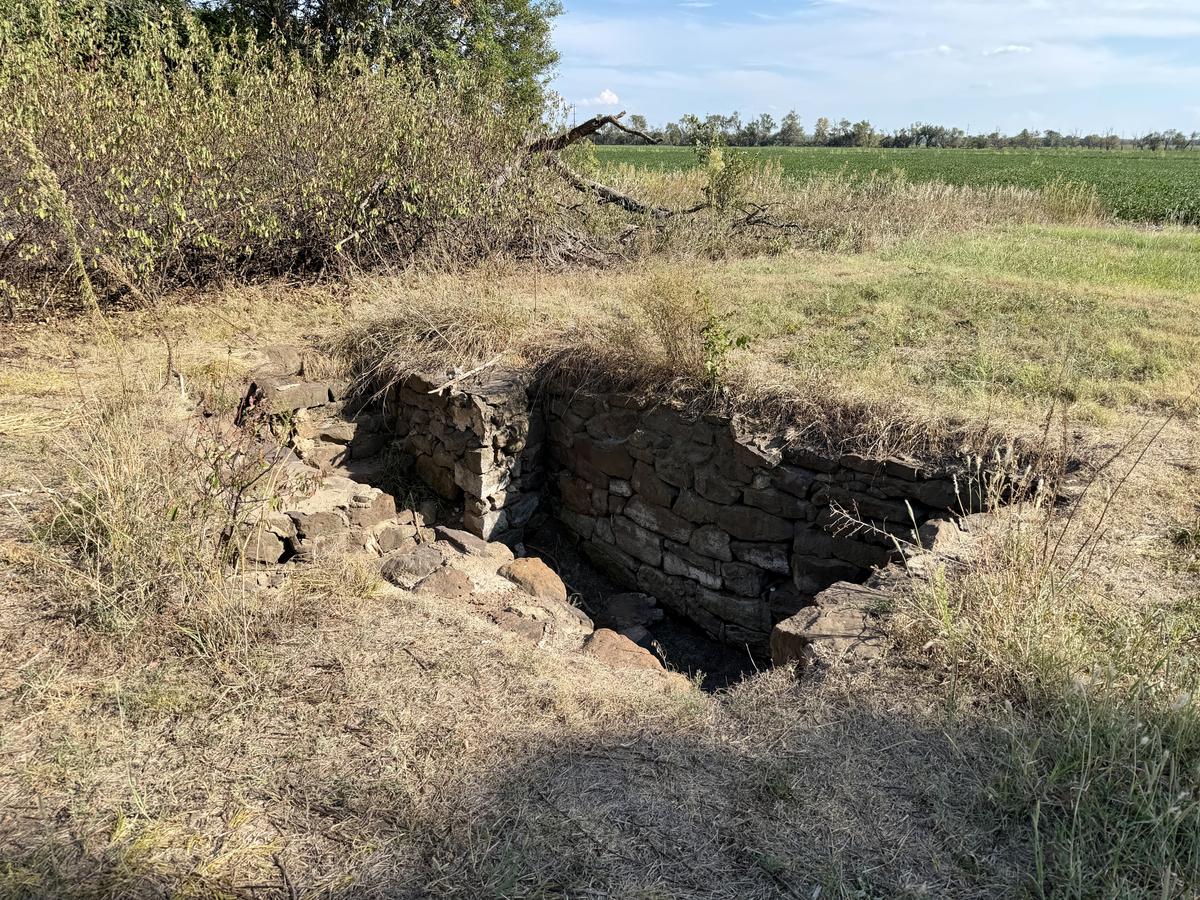
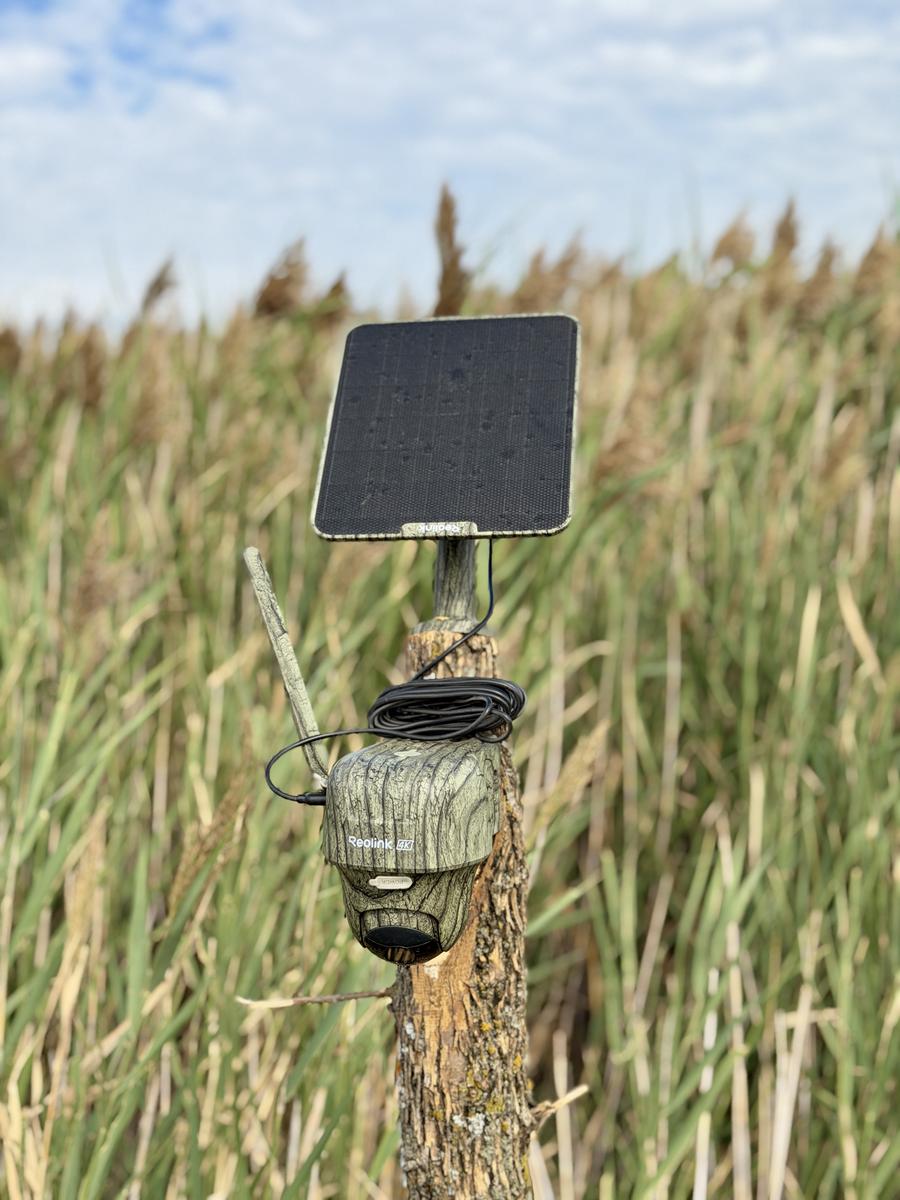
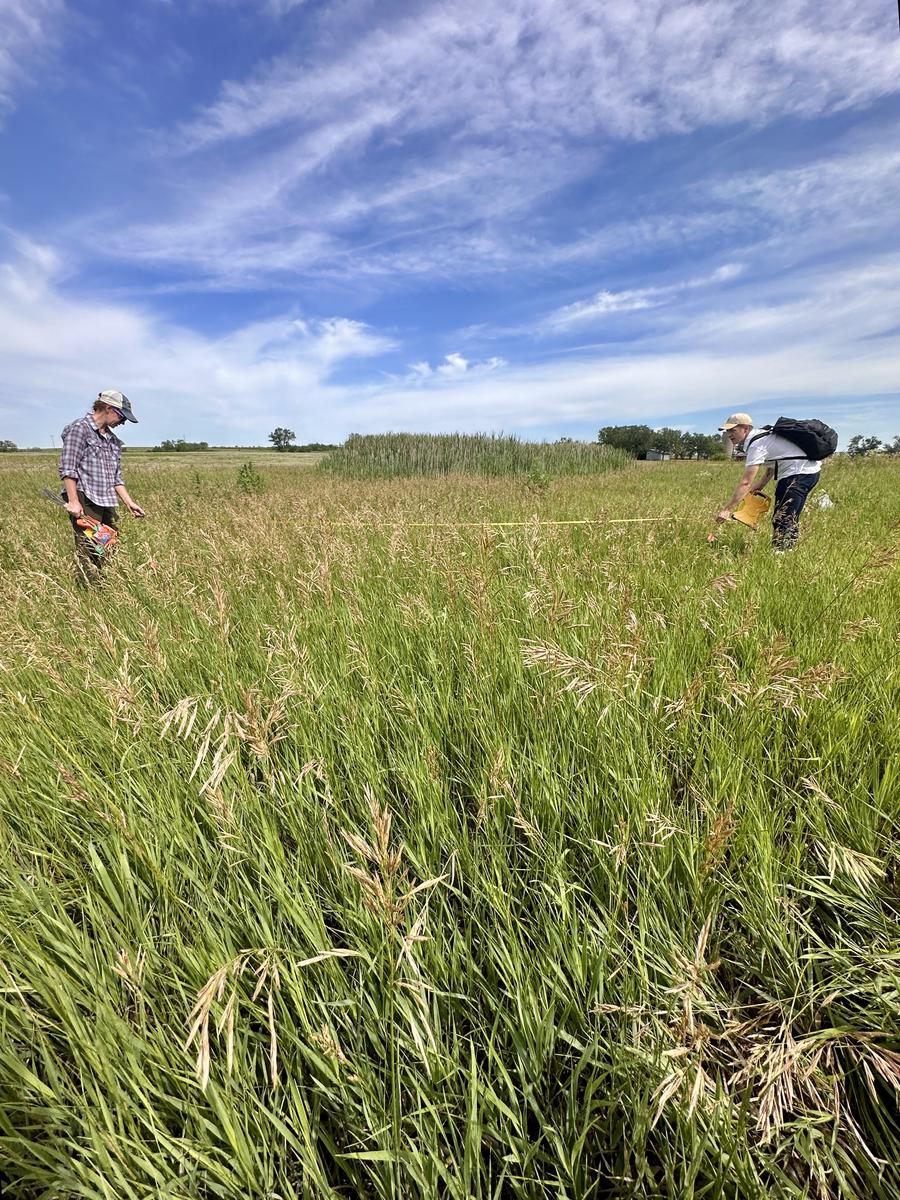
House of Water is an in-progress collaborative project created by ecological artist Jenny Kendler in partnership with an interdisciplinary team based at The Land Institute. The project encompasses a land and water-based artwork and a multi-year ecological restoration plan, intertwining sculptural practices, rewilding, and land art.
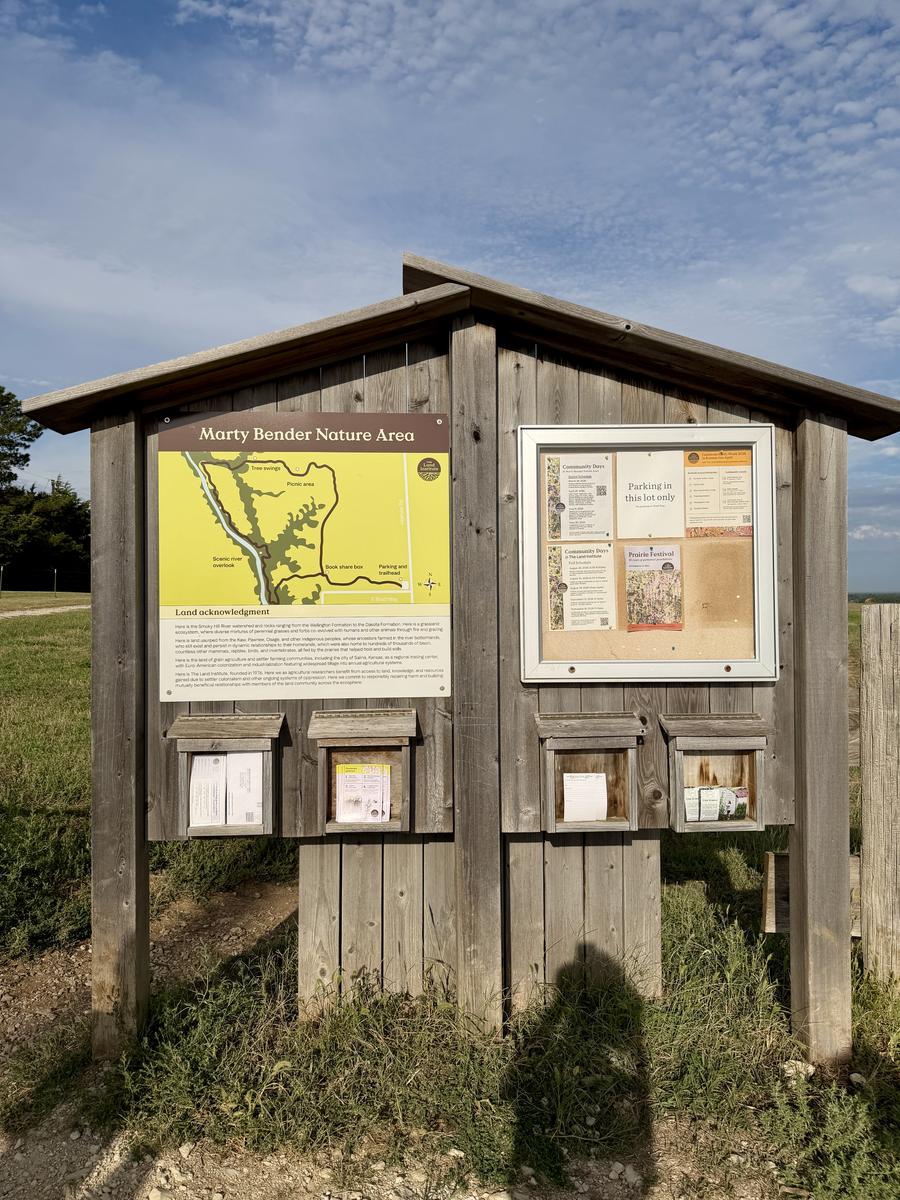
Commissioned for The Land Institute’s 50th anniversary, the project is sited at the publicly accessible 200-acre Marty Bender Nature Area in Salina, Kansas.
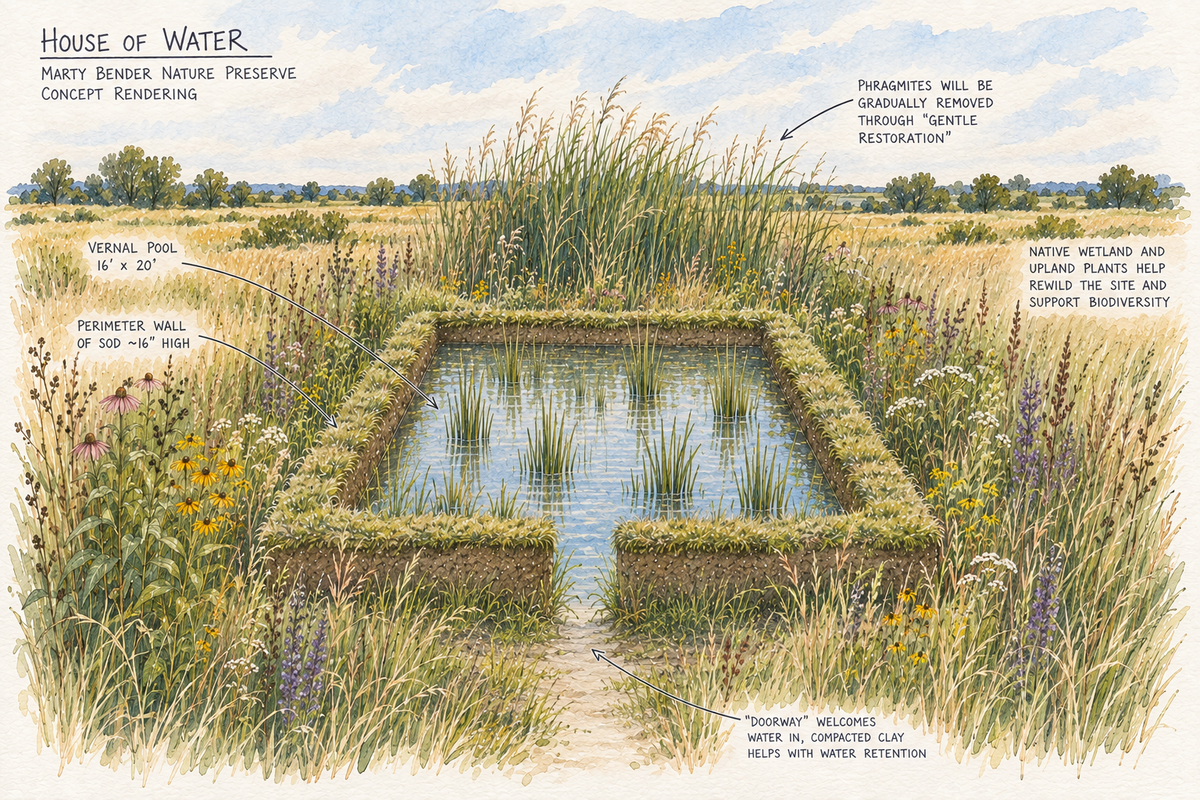
House of Water takes the ghost-shape of an archetypal settler sod house—once a symbol of prairie destruction and colonial land control—and radically subverts it. Rather than welcoming human settlers, the sculptural pool, created in the sod house's footprint, is designed to welcome water. And in contrast to "permanent" works of land art—built as enduring marks of human presence—House of Water was conceived from the start as ephemeral.
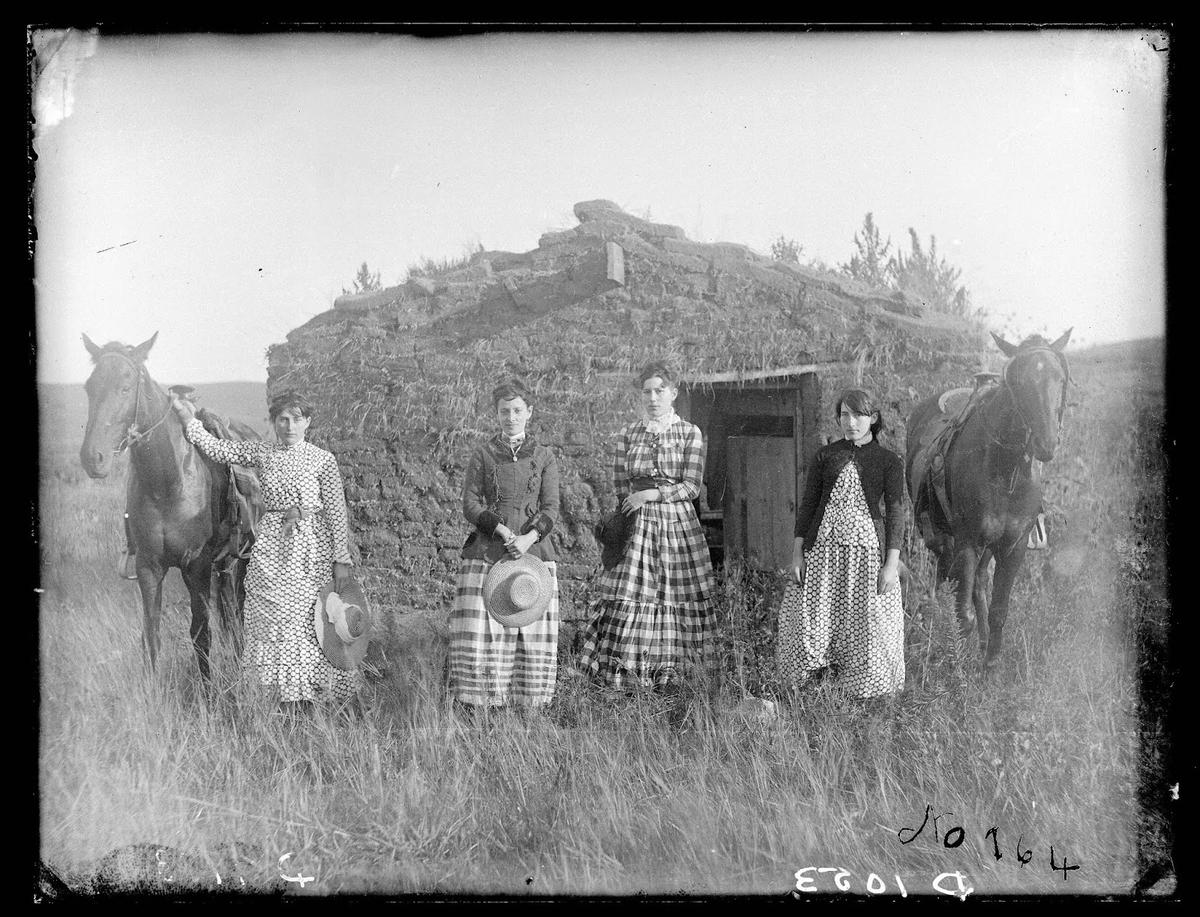
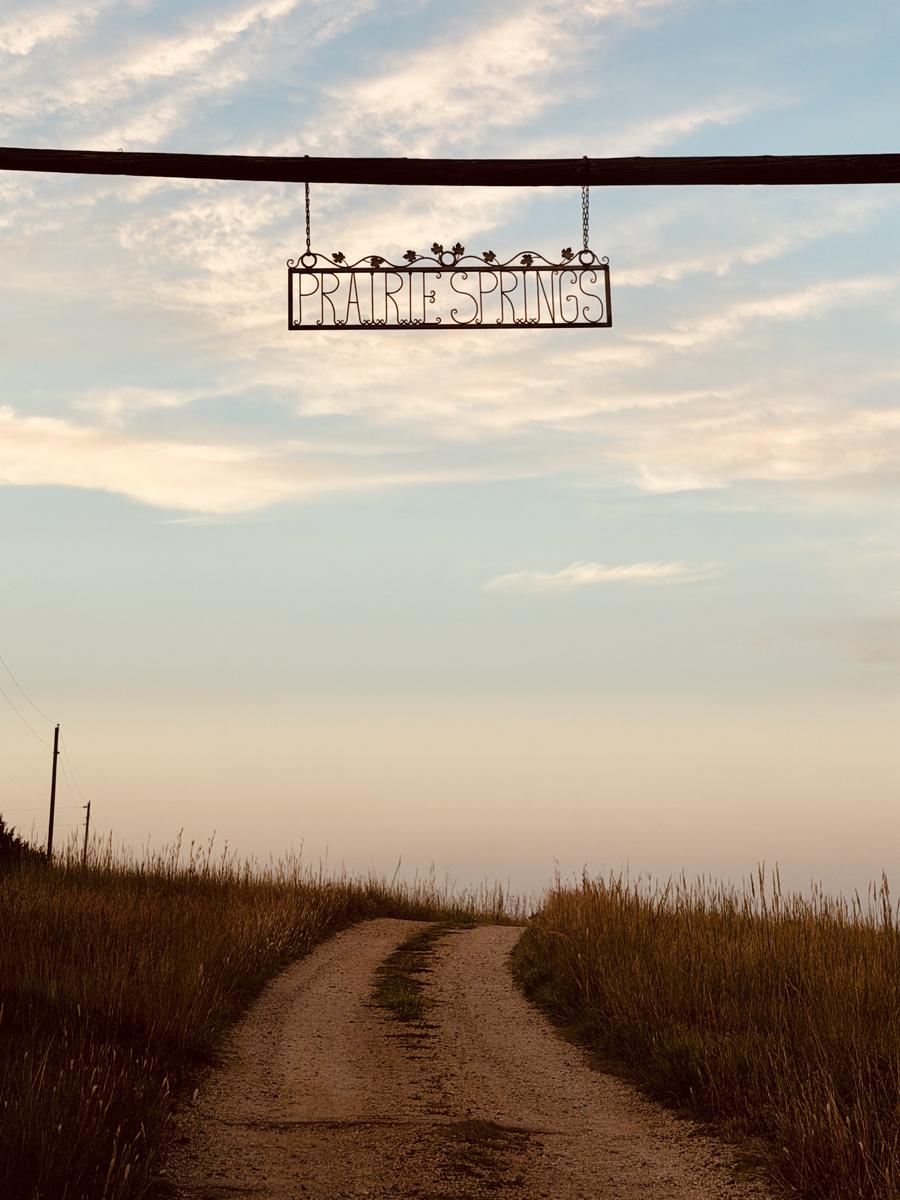
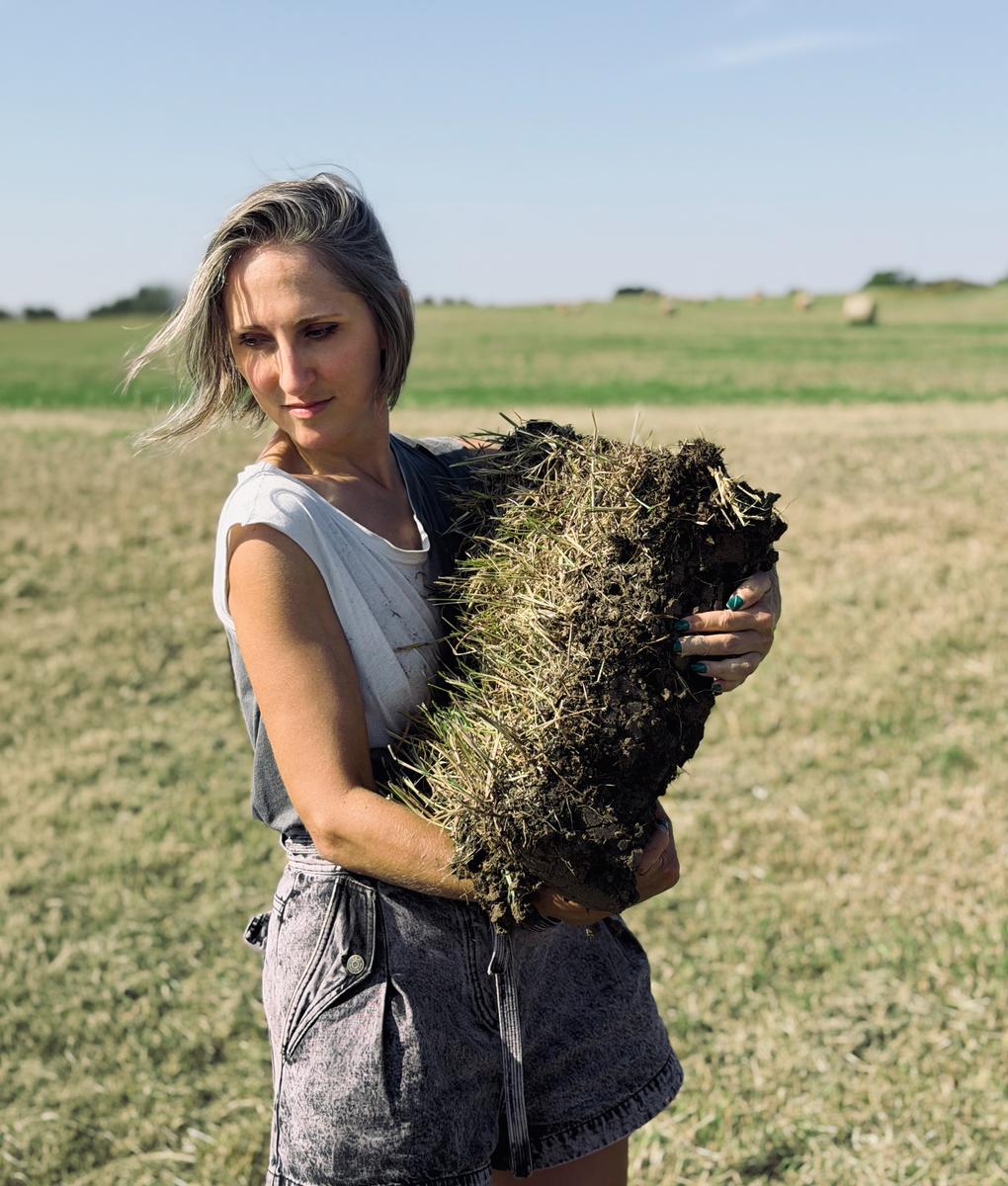
When European settlers moved west into the prairies, one of the first marks of harm to the land was the “breaking of the sod” to construct a sod house. Soon after followed the plowing-under of the prairies themselves, destroying an ancient, biodiverse ecosystem.
But settlement transformed more than the prairie’s surface. Less visible was a radical alteration of how water moved through the landscape, perpetrated through large-scale infrastructure including terracing, ditching, farm ponds, and drain tiles.
Drain tiles—subterranean clay, and later plastic, tubes laid in vast, unseen grids beneath agricultural lands—move water rapidly away from the soil. Across the prairie states, they desiccated wetlands, silently exporting water from the land. Still operating today, they accelerate erosion and nutrient loss, contribute to downstream pollution and "dead zones," and fundamentally alter where—and for how long—water remains in the landscape.
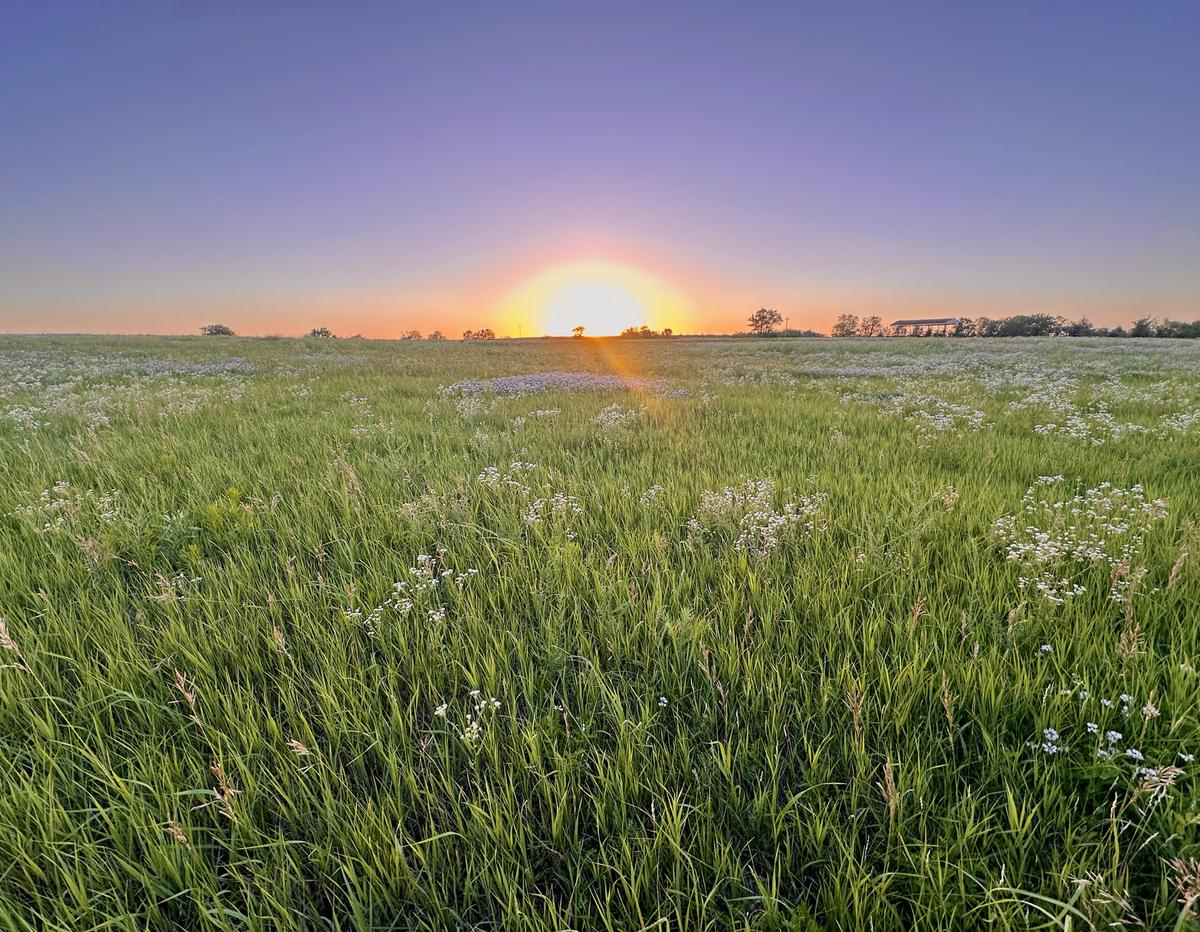
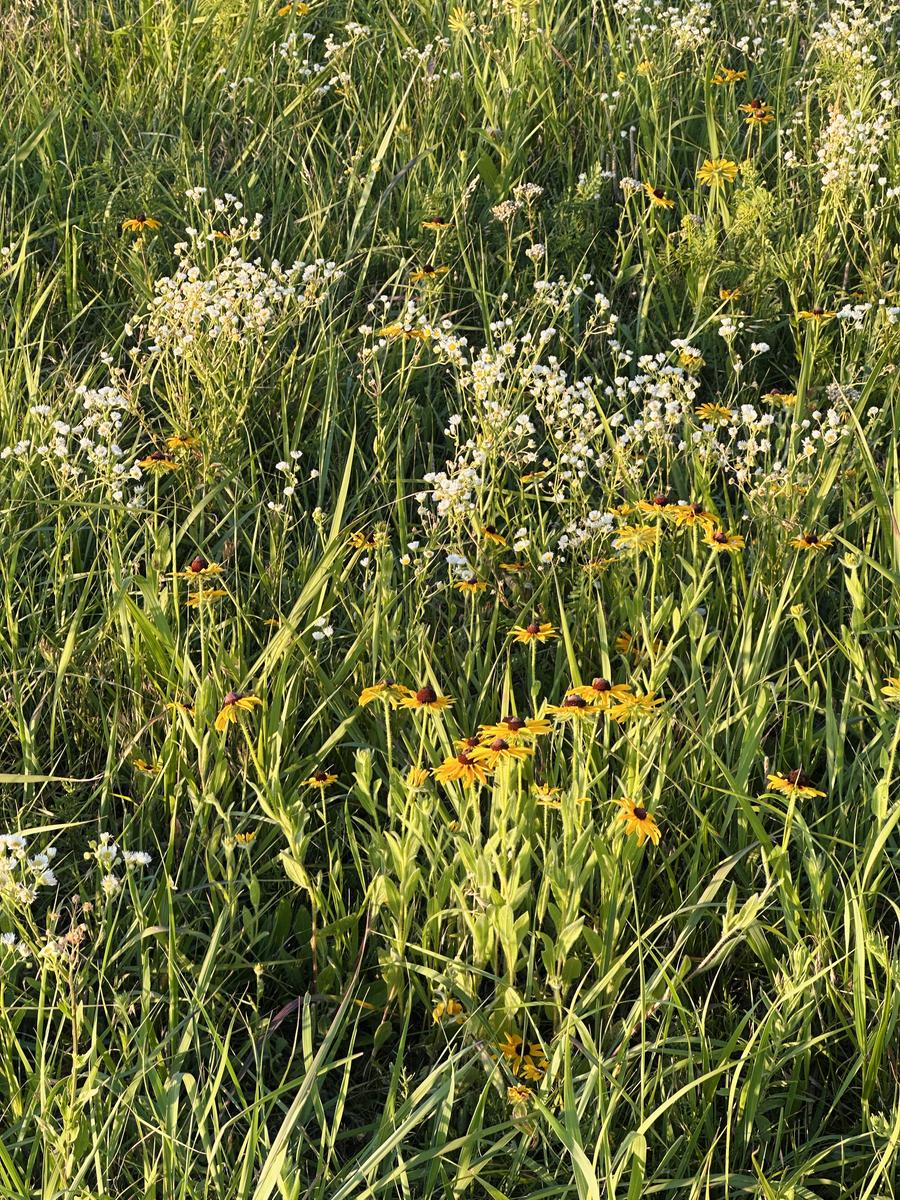
The eradication of bison, too, disrupted the hydrologic rhythms that structured prairie life. As keystone species and ecosystem engineers, the bison themselves were wetland architects, creating and enlarging natural pools with hoofprints and wallowing.
Among the habitats diminished by hydrologic engineering and the loss of bison were vernal pools: shallow, seasonal wetlands and hotspots of biodiversity, which support the lifecycles of rare species such as the spotted chorus frog (Pseudacris clarkii), fairy shrimp (order Anostraca), and blue mud-plantain (Heteranthera limosa).
At Marty Bender, decades of agricultural use have similarly transformed the movement of water through the site. Terracing and the rerouting of water toward farm ponds remain visible, while drain tiles may also play a role in the altered hydrology encountered there today. House of Water begins from these conditions as an experimental gesture toward restoring water’s more complex and varied role in the landscape.
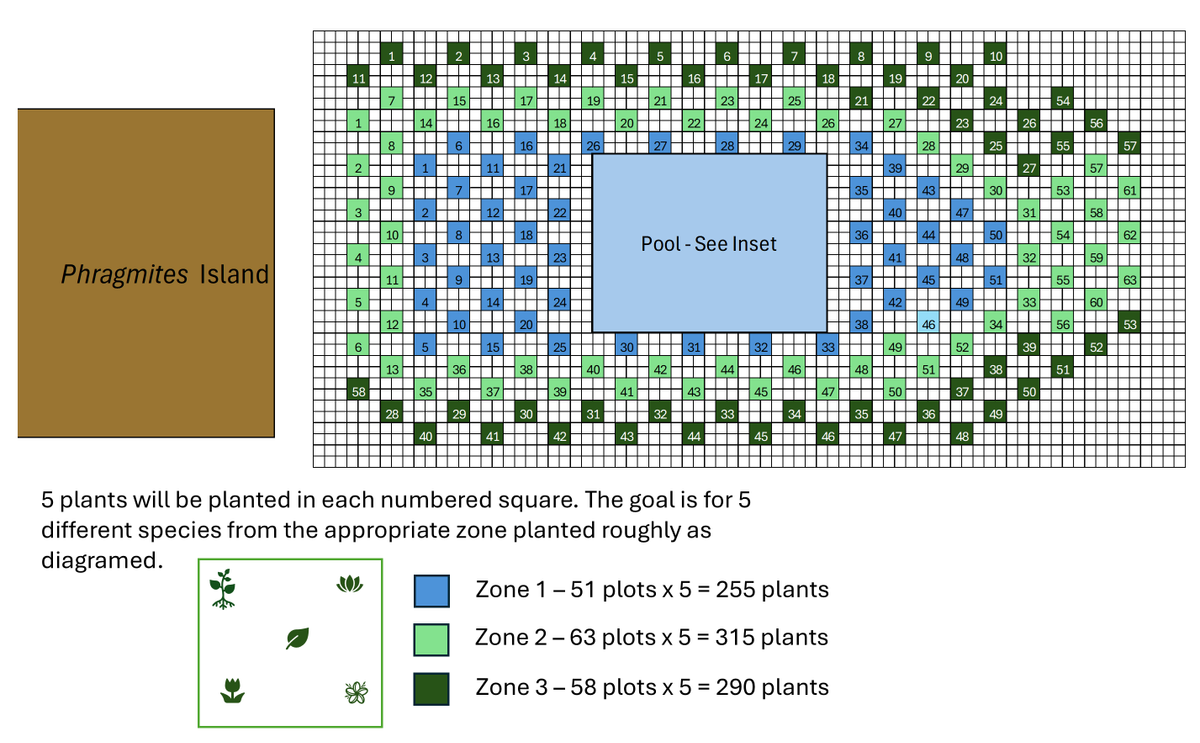
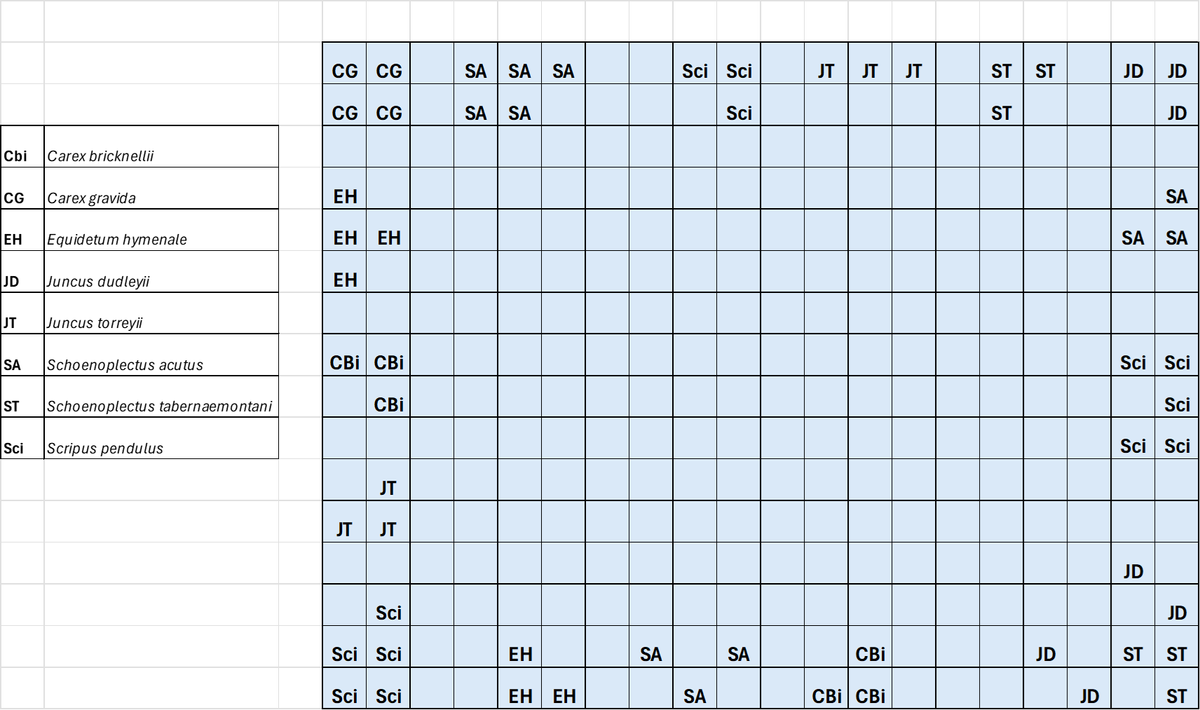
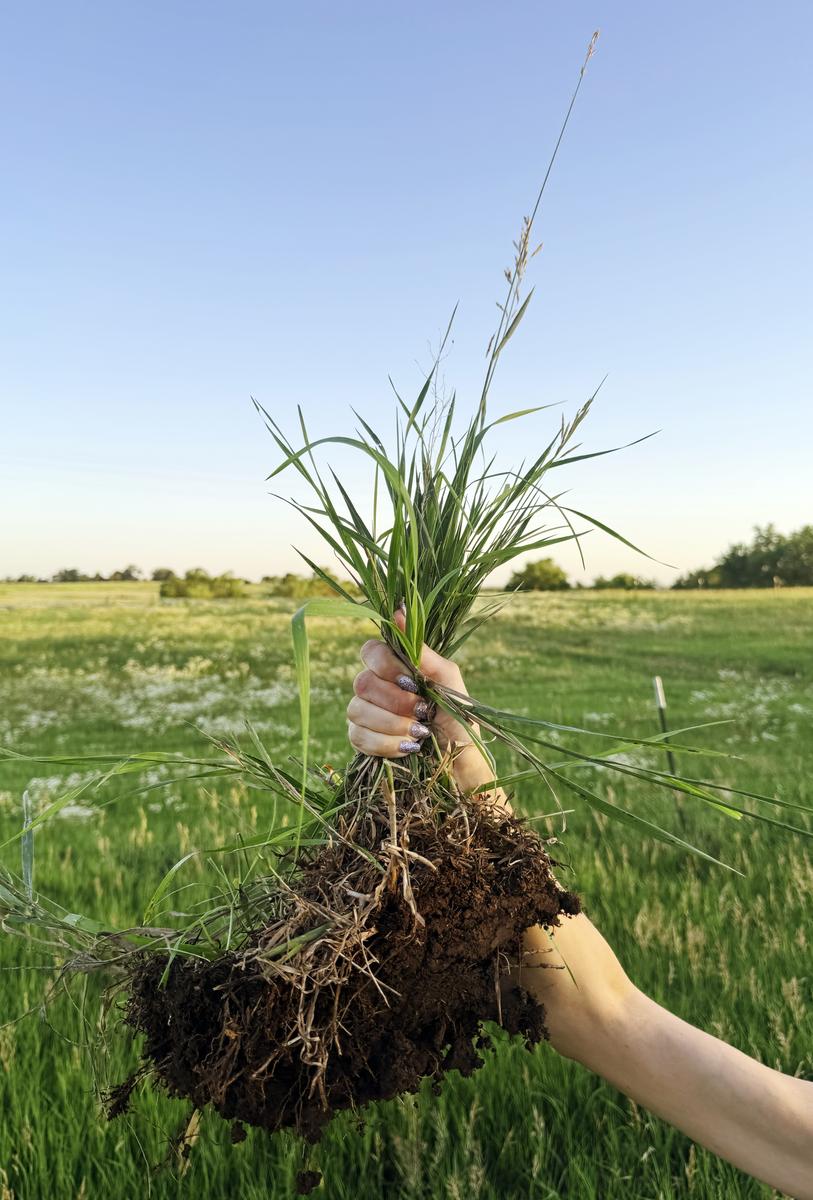
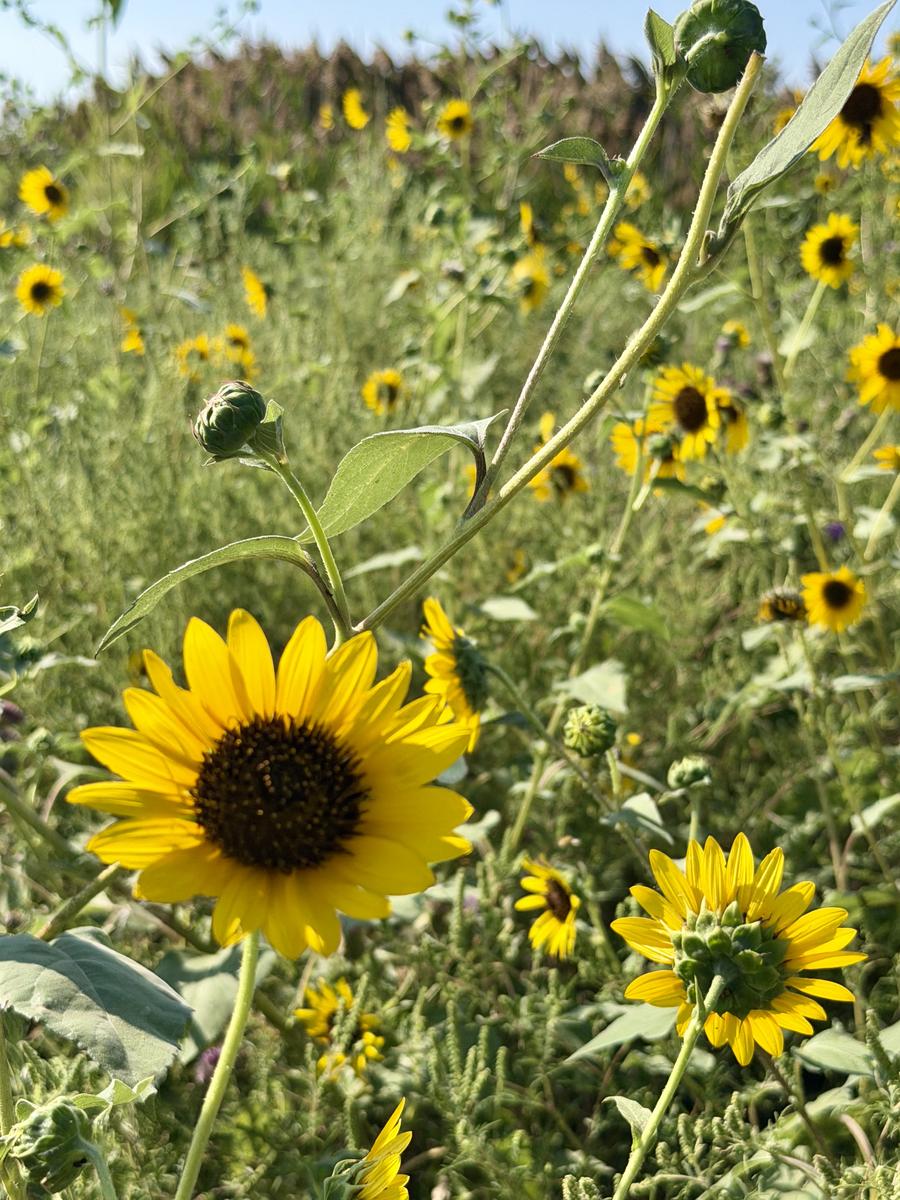
The project’s sod walls echo settler architecture, but the living waters they enclose offer instead a home for amphibians, macroinvertebrates, dragonflies, and native wetland plants. Around the rectilinear walls, a multi-year rewilding effort will restore native wetland and upland plant communities, while non-native phragmites are gradually removed through a process of “gentle restoration.”
The project structure is also collaborative and evolving. Kendler’s cross-disciplinary team includes Land Institute staff Christopher Reimer (Land Relations Research Manager) and Cedar Van Tassel (Senior Land Stewardship Technician); independent plant ecologist Dr. Jennifer Moody; and Tallgrass Artist Residency founder Kelly Yarbrough—alongside ongoing contributions from local community volunteers. Together, they will steward the site over time, making the work an embodied expression of perennial care.
House of Water is at once habitat and symbolic gesture: a small act of ecological repair in which the ghost of colonial architecture gradually dissolves into the landscape. As the sod walls weather, slump and eventually disappear, the distinction between artwork and restored habitat will disappear with them. What remains is water—and a place for visitors, human and more-than-human, to linger and return.