The Keeping of Bees
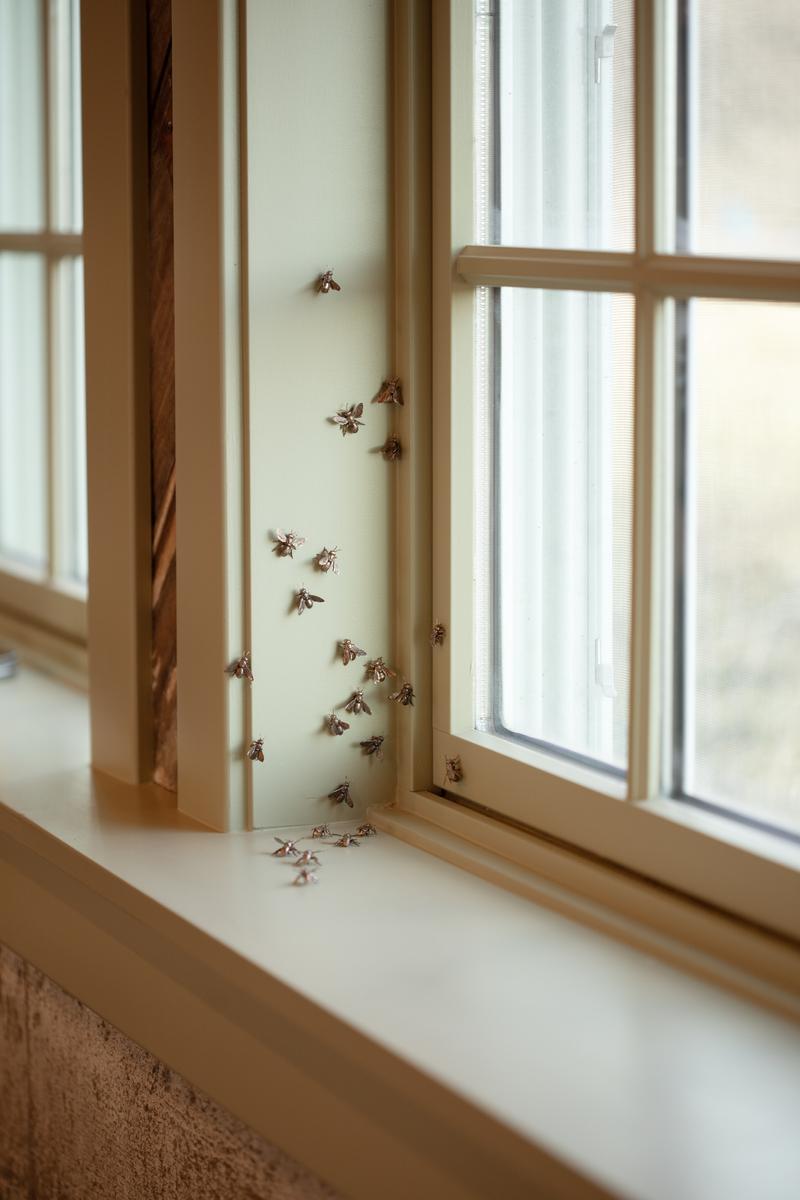
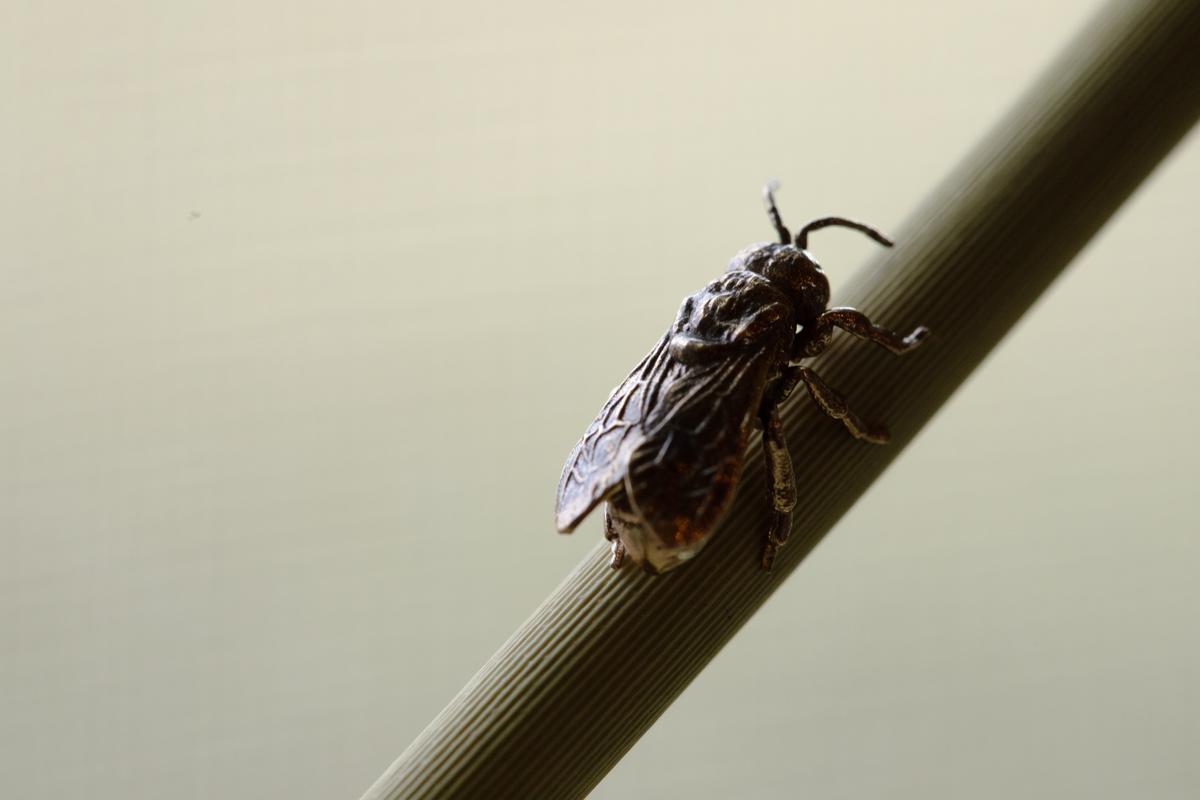
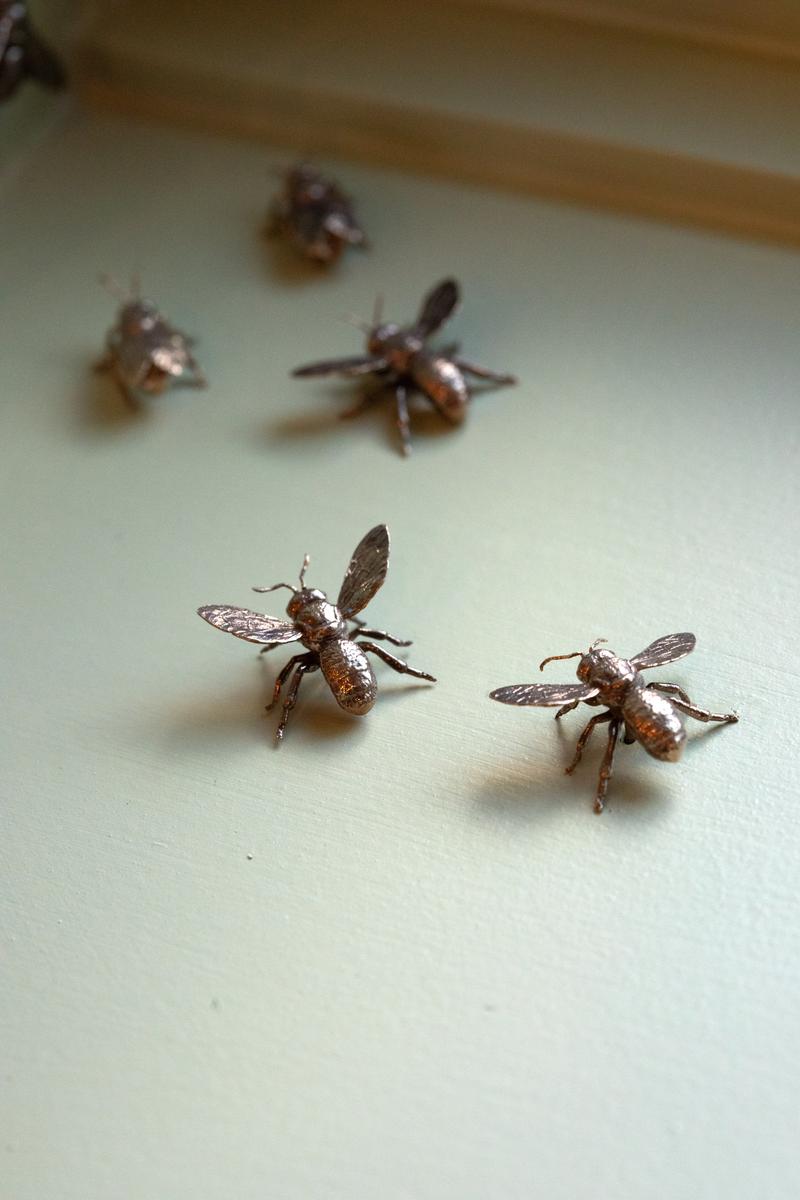
The Keeping of Bees (A Distributed Monument), 2025–Ongoing
The project’s title nods towards the words of Thoreau: “The keeping of bees is like the direction of sunbeams.” Bees, like the rest of the more-than-human world, are not to be owned or possessed. The practice of keeping community has some similarities to what we nonetheless call “bee-keeping.” Our community also requires from us that we “keep” it, while never owning it — that we nurture and attend to its complexity and beauty, while being sure not to hold too tightly — as this is the essence of accepting relationality with others.
This begins to point us towards the non-traditional nature of this project — an ambitious sculptural work in hundreds of pounds of bronze, but one that takes a deliberately anti-monumental form — both in terms of scale and location.
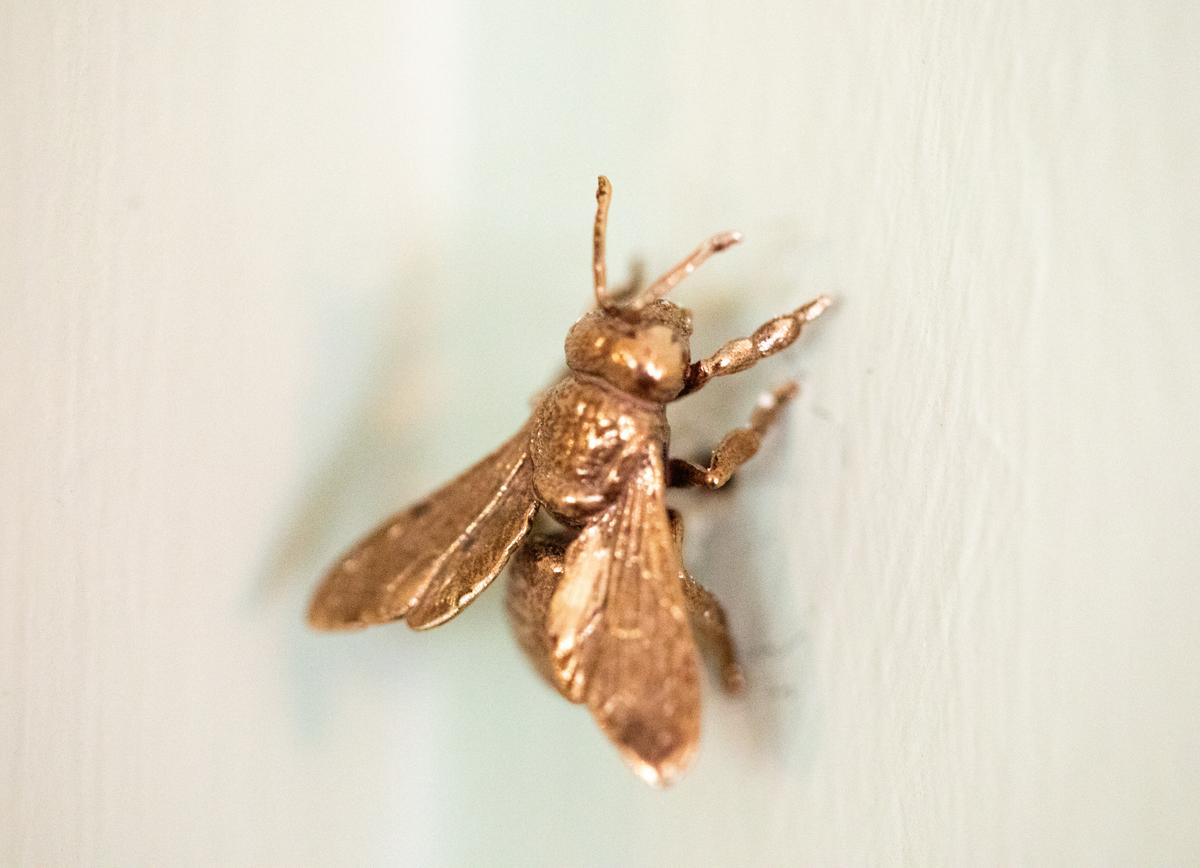
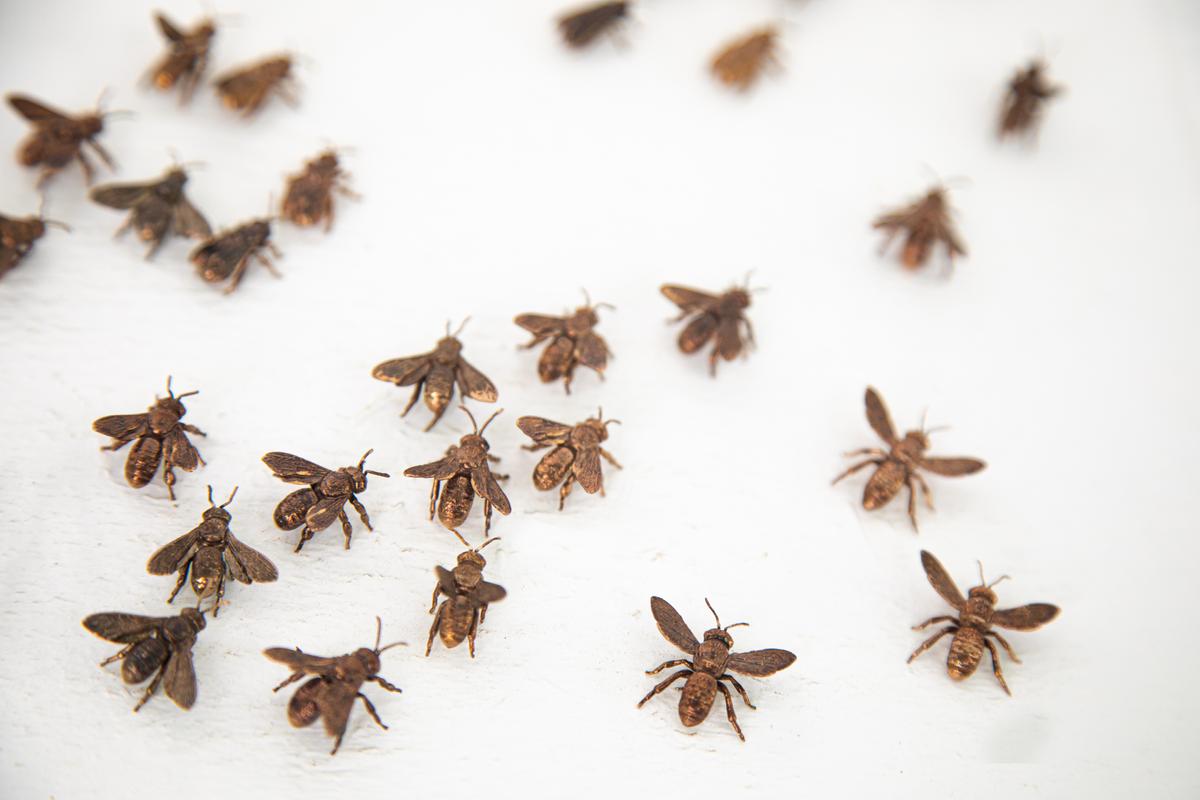
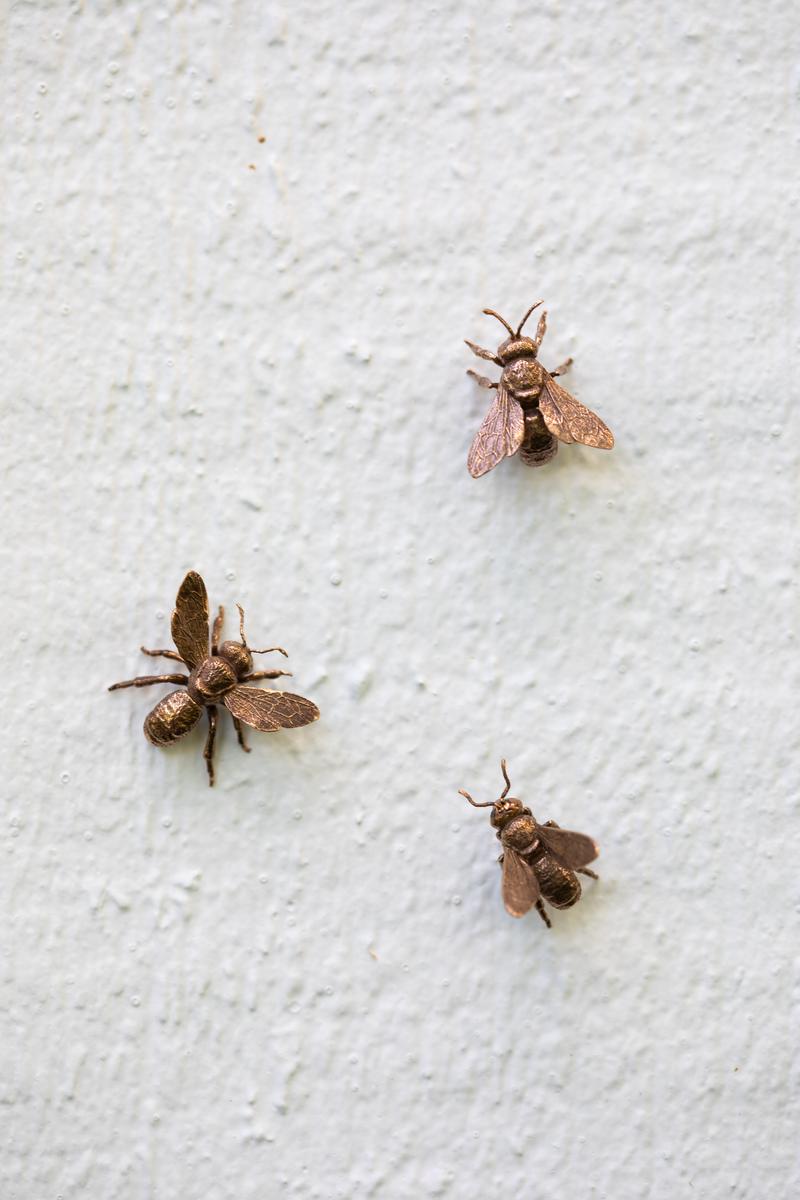
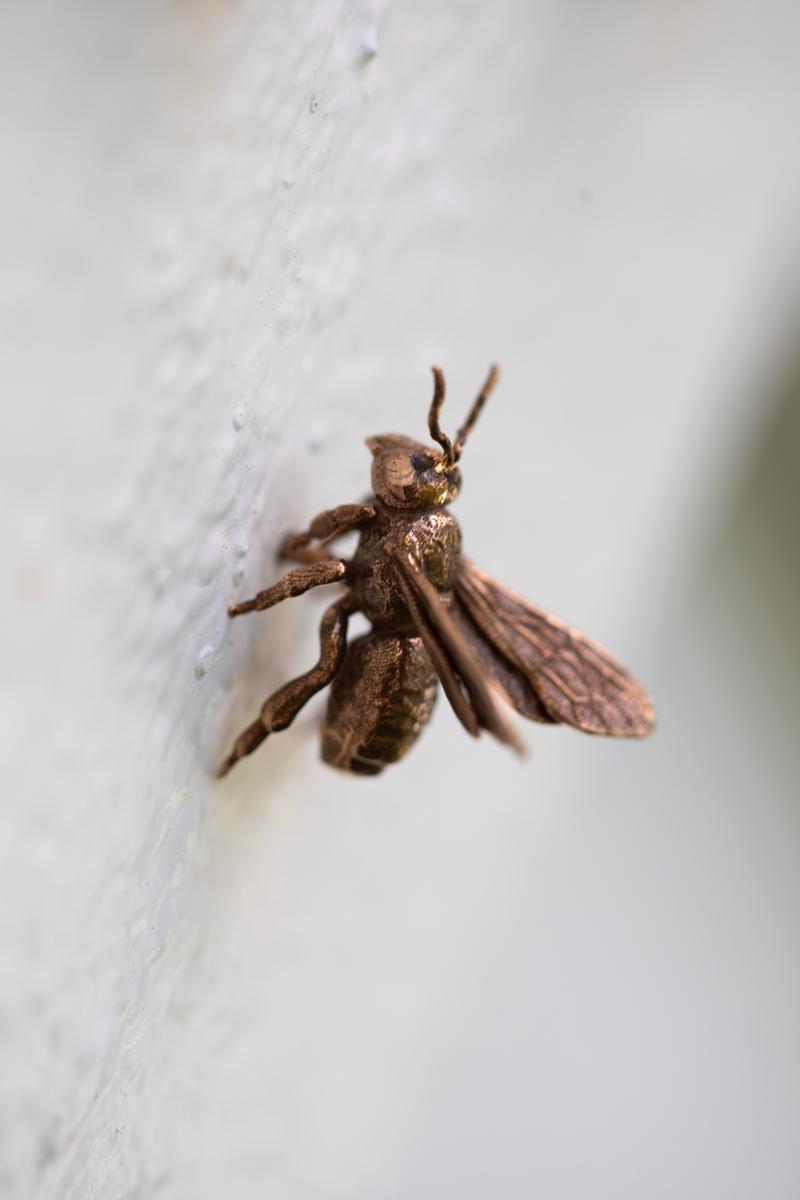
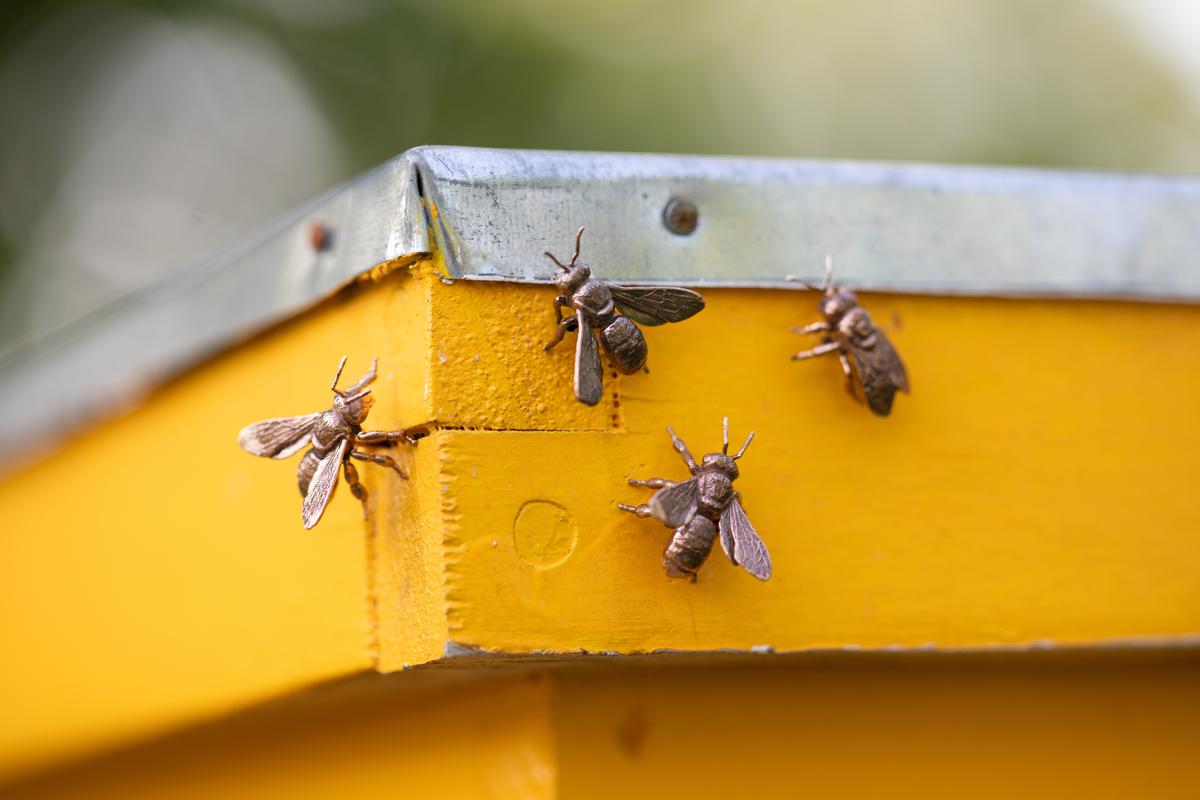
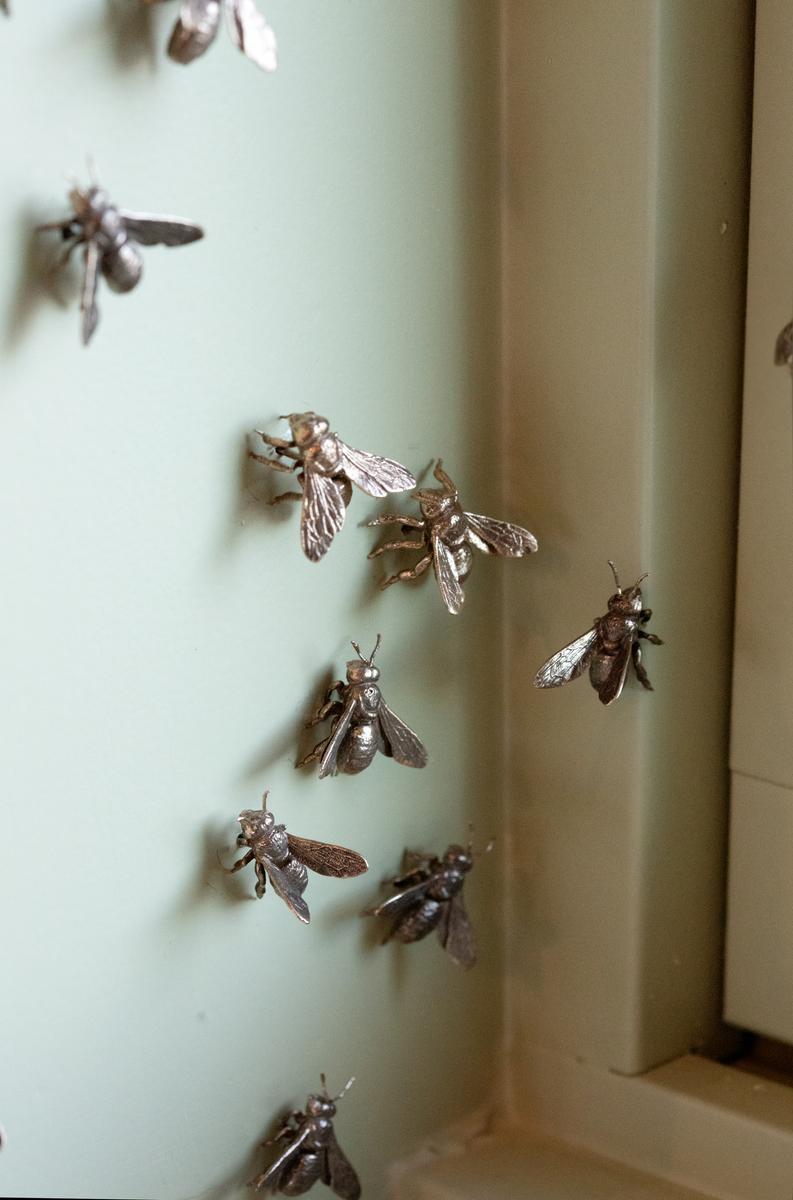
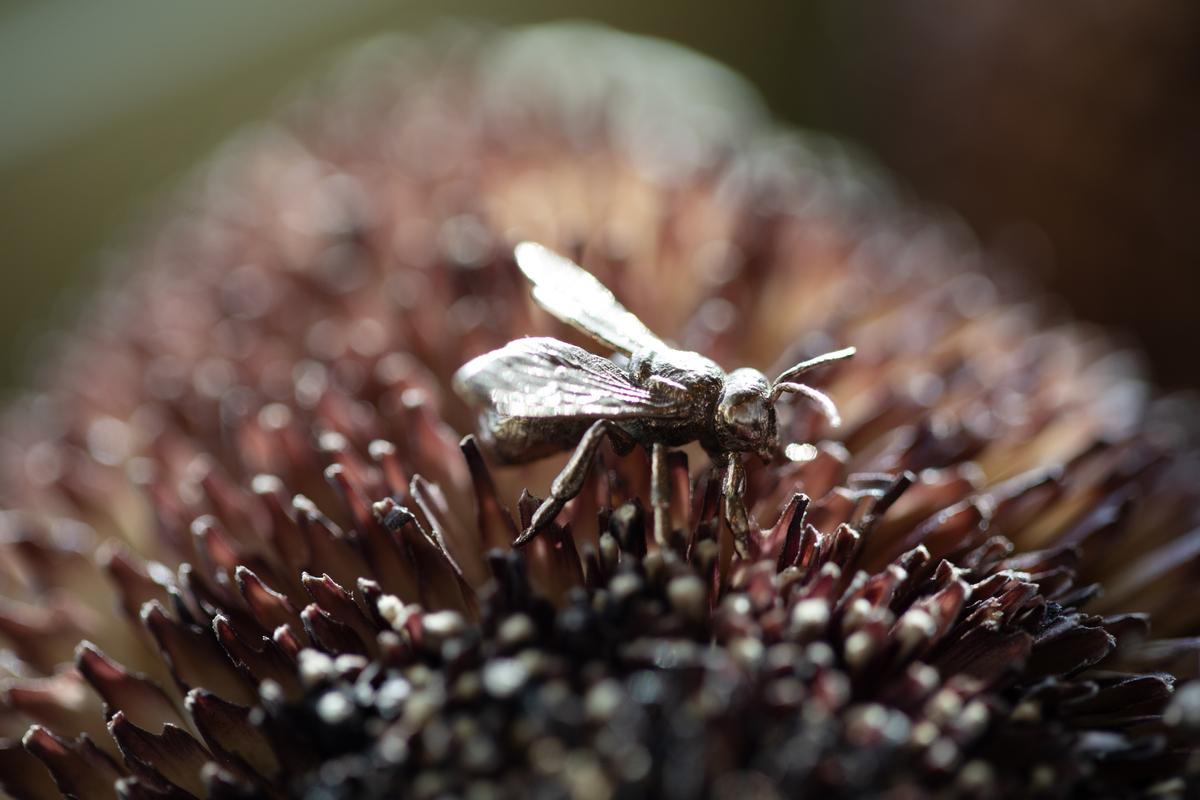
The project is an open edition of biologically accurate bees, cast in bronze at life size. The eventual goal will be that the total weight of created bees will equal the weight of a traditional bronze monument to a single human being. Historically, such monuments — set in town squares and in front of civic buildings — valorize individuals for heroic acts, and carry with them assumptions of authority, superiority and lone brilliance.
This project asks us to reexamine what might constitute a monumental act or life, inverting that individualism to point instead toward the deep mutuality and collaboration upon which all real change rests.
This Distributed Monument creates a monument unlike others — one which is spread over space and time and can never be seen at once by any one person. The project honors changemakers engaged in preserving, rewilding and reconnecting us to the more-than-human world, and holds up reciprocity, interconnection and communal thinking in place of the singular figure on the plinth.
--
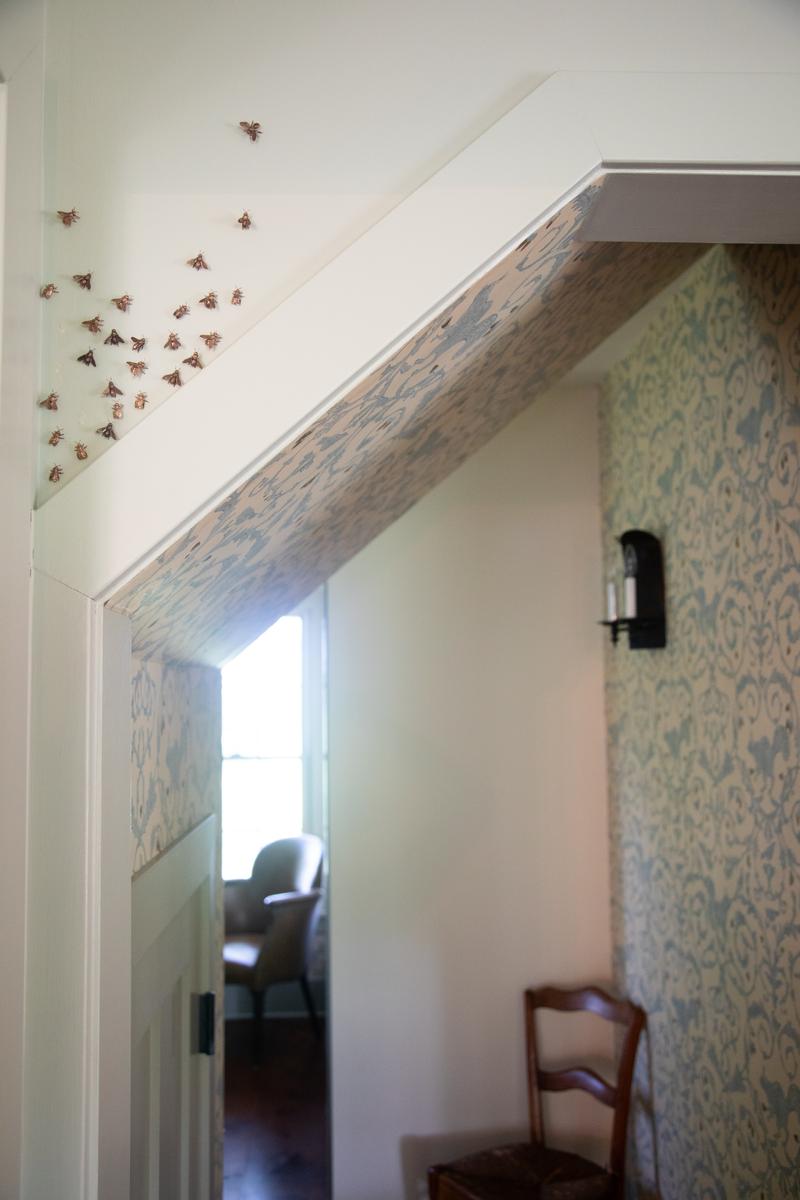
This first group of deep golden bees was commissioned as part of Kendler's Fellowship with Center for Humans and Nature and was created to honor the work of Jerry Adelmann, President Emeritus of Openlands and a board and community member of the Center. These bees will swarm and expand across the Center’s home in Libertyville, Illinois. Clusters will welcome visitors at the door frame and entryway and be found throughout the interior, from windowsills to walls — a reminder of the Center’s mission to create meaningful community that reaches beyond the human.
Single bees or small groups will also appear across the Center’s land, on tree trunks and the apiary itself. These we turn over to natural forces. In some far future, patinated and grown over by oak wood or buried in earth, they may be discovered by others as a marker of those who once walked and worked these lands.
Bees will travel outward from the Center as well, as gifts of recognition to those who make up its distributed hive. Eventually they will move without our knowledge or tracking, distributing the monument further. As with our community, we will not hold this work too tightly, as we allow it to integrate and move with the needs and desires of the humans and non-humans that form this intricate network.